The Steel Behind Modern Mobility
How Georgsmarienhütte GmbH develops specialized steel for electric drivetrains and automotive applications
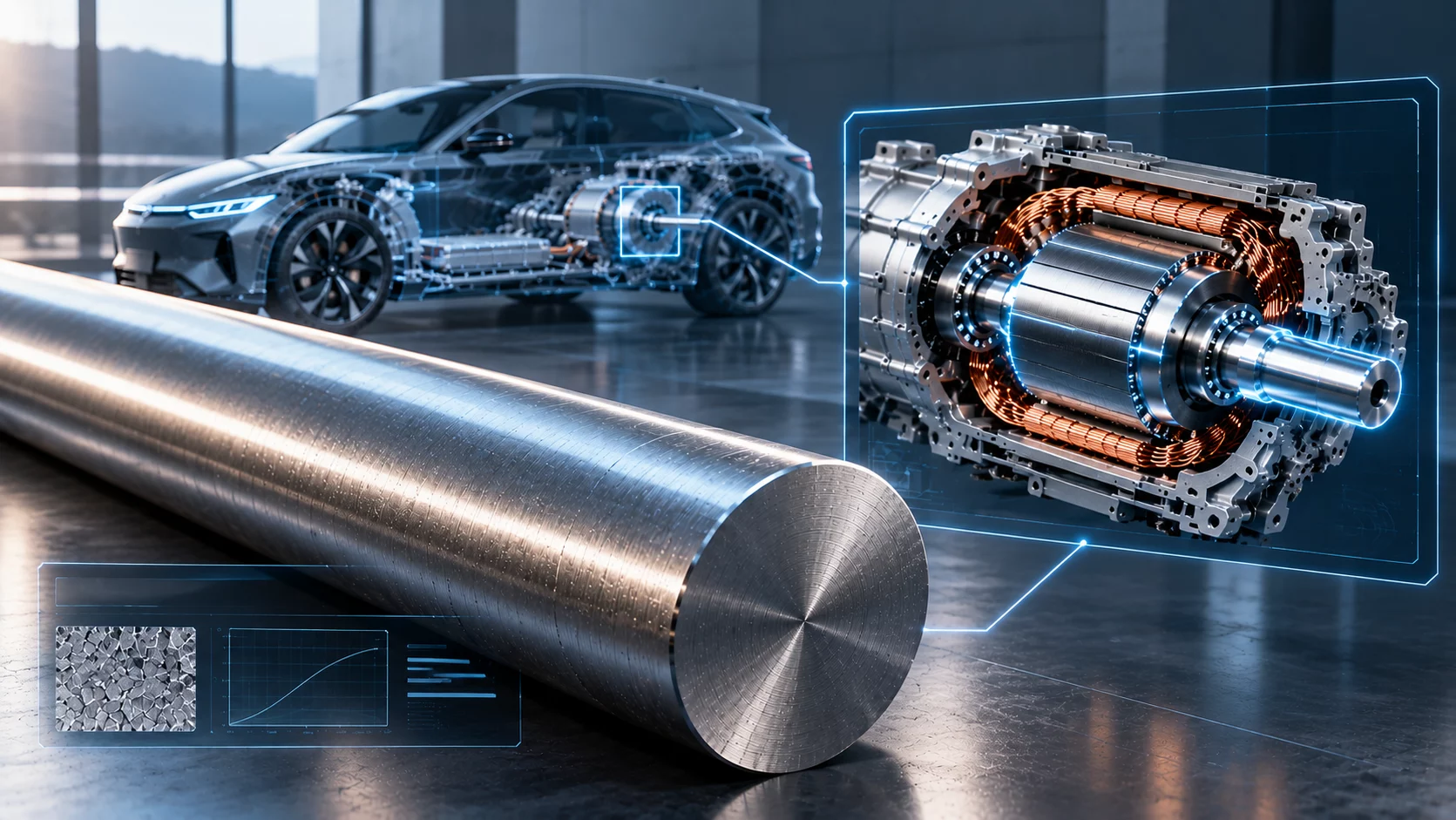
A rotor shaft transfers rotational movement inside an electric motor. Although relatively simple in appearance, it must withstand repeated mechanical loads throughout its service life.
The properties of the steel are critical to its performance.
Georgsmarienhütte GmbH produces specialized bar steel for applications including rotor shafts and other drivetrain components. Its capabilities cover material development, electric arc furnace steelmaking and precision processing.
More than 500 steel grades
Georgsmarienhütte’s portfolio includes more than 500 steel grades, with compositions and properties tailored to different industrial applications.
For drivetrain components, material selection involves balancing strength, toughness, fatigue resistance and machinability. The required combination depends on the component design and subsequent manufacturing processes.
Where standard grades are insufficient, the company’s metallurgists can adapt existing steels or develop new variants by adjusting alloy composition, microstructure and heat treatment.
Precision and consistent quality
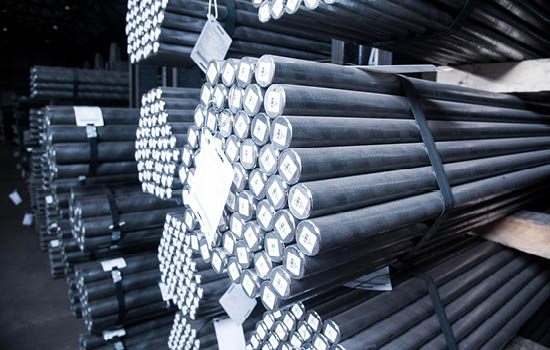
Georgsmarienhütte supplies hot-rolled specialty bar steel and further-processed bright steel.
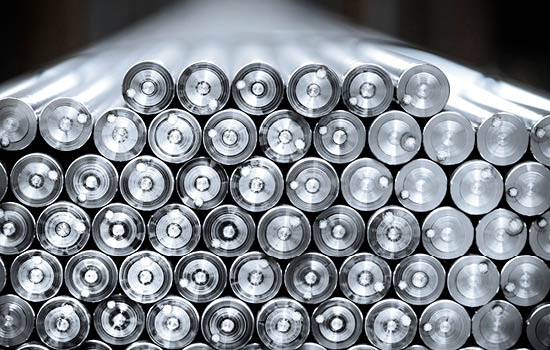
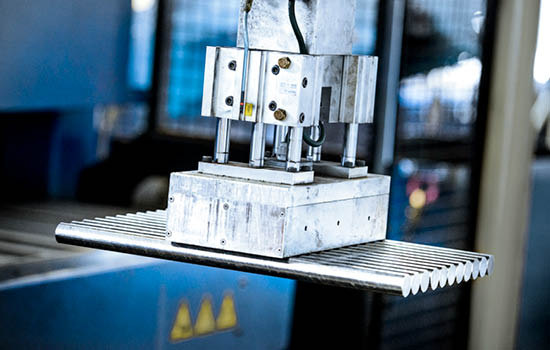
Depending on customer specifications, bars can be peeled, straightened, polished or ground. Bright steel is available with dimensional tolerances down to h6 according to ISO 286, including products with diameters between 20 and 160 mm.
The company also uses simulation and data-mining technology to predict how production parameters influence steel microstructure and material properties.
Its performance as an automotive supplier has been recognized in customer evaluations, including A-level ratings and No. 1 supplier rankings reported by GMH.
For component manufacturers, this combination of tailored steel grades, tight dimensional tolerances and consistent material properties can improve machining efficiency, reduce reworking and support reliable component quality.
From Volkswagen scrap to new automotive steel
Georgsmarienhütte’s cooperation with Volkswagen Osnabrück provides a practical example of circular steel production.
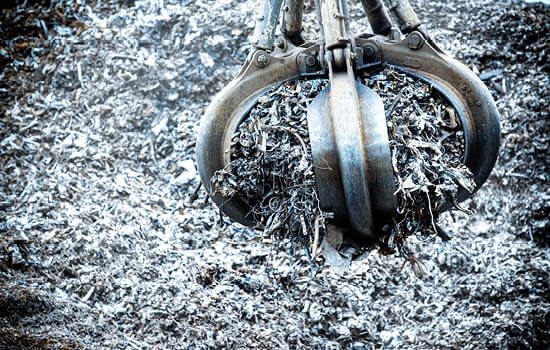
During vehicle manufacturing, Volkswagen’s Osnabrück pressing plant generates leftover sheet metal. Rather than leaving the production cycle, this material is transported approximately 10 kilometres to Georgsmarienhütte, where it is melted in an electric arc furnace and recycled into new steel.
The resulting material returns to Volkswagen’s supply chain as starting material for transmission production at its Baunatal plant.
This recycling arrangement saves approximately 8,000 tonnes of CO₂ annually compared with producing the same quantity of steel through a conventional blast-furnace route.
The cooperation demonstrates how regional recycling can reduce transport distances while keeping valuable raw materials in industrial use.
The steel behind the drivetrain
Electric vehicles depend on mechanical components whose performance begins with the choice of material.
Georgsmarienhütte supplies automotive manufacturers and their suppliers with steel developed for specific technical requirements, supported by precision processing and established recycling processes.
From specialized steel grades for drivetrain components to circular economy solutions that keep valuable raw materials in industrial use, Georgsmarienhütte combines metallurgical expertise with resource-efficient steel production to meet the requirements of the automotive industry.

Would you like to join us as
a decarbonization pioneer?
With us, you can lead your company into a green future.